Tuesday, May 18, 2010

HOMETOWN: LA CARLOTA CITY


I may have been born in Manila, but I consider La Carlota City as my hometown -- the land of my maternal ancestors.

La Carlota City is approximately 2 hours drive from the capital city of Negros Occidental, Bacolod in the island of Negros (one-hour plane ride). It is a city dotted with endless fields of sugarcane plantations and home to the oldest sugar mills in the province, not to mention some ancestral houses that are still inhabited up to this day.

Typically, your address here simply states which hacienda you are located -- very reminiscent of the feudal set-up which I still think exists today.

There are a number of spots here frequented by tourists, like the mysterious Guintubdan where a majestic falls await visitors. One can also explore the towns by bike and get lost in the sweet and charming characters of genuine Negrenses. And for the adventurous ones, climb the imposing Mt. Kanlaon (an active volcano).  La Carlota is a quiet town populated by hard-working people who made a living out of sugar production.


Hacienda Salamanca is owned by the Ledesma clan. Almost 80% of my
immediate relatives live here.


The Balay Dako, where the Ledesmas lived while they were
manning the hacienda. My mom told me that during strong typhoons,
this is where they all stayed for shelter.


The floor tiles at the Balay Dako are still preserved (and kept shiny).  


Detail of a very old tree that stood witness to the
hacienda's glorious past.


An ancient church at the town plaza. My mother's high school is just
beside the church, and this is where they held their daily prayers
and rosaries. Not much has changed, according to my mom...


One thing I noticed when I first entered the church is the state of its walls.
There were green moss on some parts, and the windows were filled
with bird dung, producing a pungent smell of antiquity and nostalgia.


the Town Plaza at night, during Christmas Season.  
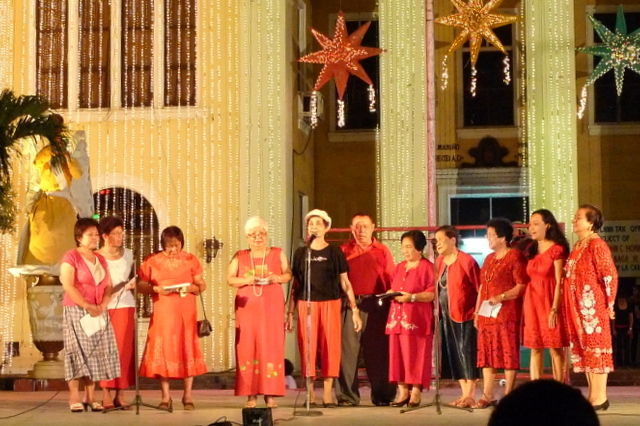


The elders practicing their Christmas carol


A typical past time of my relatives - mahjong! Oh well, this is part
of Negrense culture. Remember the film, Oro Plata Mata? Whatever
happens, as long as the mahjong set and table is intact, everything
will be alright... I used to play mahjong, but now,I rarely do due to 
lack of friends here in Manila whomI can play with. 
 Besides, Manila is soooo addicted to Poker and Casinos!


Washing the coffee beans... I never realized they could be this colorful!


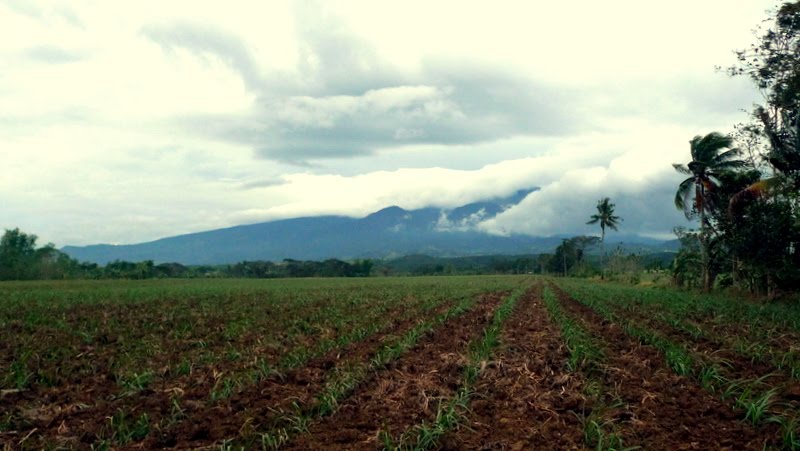
Of course, the endless rows of sugarcane plantations!
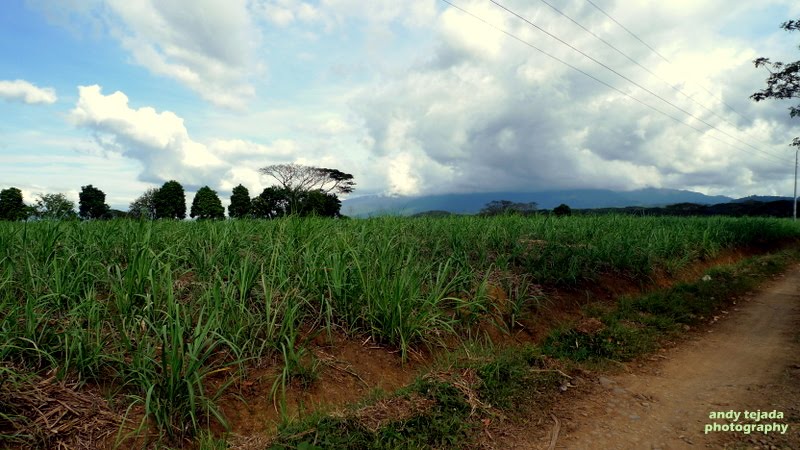


Care for some sweets?  

                 
                   The mountain at the background is actually a volcano - Mt. Kanlaon!


The workers, after a back-breaking day in the fields... 


Ancient trees. According to my mom, these trees have been
there even when she was still young. That means, these sturdy
witnesses to history could be more than 50 years old...


Carabaos (water buffalos) - mestiza and negra 


Pili fruits/nuts. Not really a major industry in La Carlota but their
trees abound amongst the sugarcane fields. It's leafy and long
branches provide a cool shade from the enervating sun...

Thursday, May 13, 2010

DUBAI... A DESERT LULLABY


It was my first ever trip out of the country.

I can't wait to be in a real desert, with endless sand and unexplainable heat...

I can't wait to see the only 7-star hotel in the world, the Burj Al Arab...

I can't wait to gaze at those good-looking Arabs...

I can't wait to get lost in a foreign land...

Oh, Dubai... like a beguiling lullaby humming in my mind...

.... still inviting, still mesmerizing.


The King of Dubai loves horses! It is said that his horses are treated like royalties as well. Annually, there's an equestrian competition held here, with millions of dollars at stake for the winners.


Before the Burj Khalifa / Burj Dubai was erected (it was still being built by the time we went there), the Burj Al Arab was the structure that represented Dubai. Upon seeing this for the first time, I was really mesmerized with its beauty! In fact, I shed a tear!


Friday, April 30, 2010

TAKE A RIDE!

In my years of traveling, I always look forward to the different modes of transportation that will take me to my destination....

Airplanes are, of course, the fastest way around. My favorite part is when the plane is taking off... that moment when you feel its full speed as it runs on the ground, and slowly taking off to defy gravity. My least favorite part is the landing... the uncertainty of getting that smooth transition from being airborne to being in contact with the ground.


Riding a small plane is one adventure I will never forget. Each of the production team was assigned his/her own plane. I felt like a VIP! The lightness and size of the plane were enough to make me really scared, as soon as we took off. You felt so vulnerable and you could actually feel how the wind up there affects your flying. But the magnificent view made me forget my fear... The plane only flies at 1000 feet, so you can really see the details of the islands scattered in the emerald and deep blue seas.

(Route: Cebu to Siargao, 1.5 hours)


Habal-habal (simply a motorbike) is a popular means of transportation in some far-flung areas in the country. It's actually a fun ride, knowing that there will be no cars, buses or any big vehicles that will hit or bump you. Never mind the dust, it's part of nature like the trees and the rustic landscape that surround you.


In Corregidor, this is the only way to get around the island. An improvised jeepney where one can have a good view of the island's ruins.


As a nation of 7107 islands, it is only appropriate to experience traveling around by ship. I remember as a young boy, whenever we go to our province (Negros Occidental), we would always take the ship. Back then, the facilities were still very simple and poorly maintained. Thank heavens, traveling by ship now is not that boring anymore, as numerous activities can now be done onboard.


The 7107 Islands Cruise was a great way to discover and explore our country. It was an attempt to familiarize Filipinos with the concept of "cruise ship". However, due to "politics", the ship's operation is currently on hold.


I was able to visit Coron, Palawan with these ships - 7107 Islands Cruise (2009, above) and the T/S Kapitan Felix Oca (2010, below).

T/S Oca is a training ship where cadets from the Maritime Academy of Asia and the Pacific are trained with the intricacies of shipping. The ship also happens to be the venue of my first Extra Challenge episode. I never thought that I would get to ride Oca again... It's a great feeling to get aboard this ship once more. The challenges... the conversations... the haggardness... they all came back vividly :-)


Speaking of sea vessels, this is the boat that takes passengers from Manila to Corregidor. Smooth and short ride...

(By the way, it was only in Corregidor and the waters of Bataan that T/S Oca brought us for our Extra Challenge shoot).


Of course, when you travel to the Philippines to explore its islands... you can't get away with these BOATS in all shapes and sizes!


Sipalay, Negros Occidental


Sipalay, Negros Occidental


Puerto Galera, Oriental Mindoro


a military speedboat we used to
get to Cagbalete Island, Quezon


a private speedboat that brought us around
the islands of San Vicente, Palawan


Thursday, April 29, 2010

SPECTACULAR CORON

This is my second time in Coron. I am still amazed and awed with its rustic and pristine beauty. I wouldn't mind going back here again and again. It's simply spectacular!


The Twin Lagoon. Before, the only way to get to the other lagoon is thru swimming in a hole underneath the rocks. If it's low tide, it's quite easy to do. But if the waters rise, you must really take a deep breath and dive. But now, they already made a make-shift ladder where you can simply climb up and get to the other side.

One of the many rock formations of Coron. Unlike in El Nido, these rocks are usually clustered near each other.


Probably the most photographed islet in Coron. Became so popular after Mabuhay Magazine (PAL) put the photo in its cover 2 or 3 years ago. Since then, no Coron visit is ever complete without a photo on this spot. The spot, by the way, is the halfway point of a short hike going to Kayangan Lake. The spot is actually the entrance of a cave.


The Kayangan Lake - reputed as the Philippines' cleanest lake. I think this lake is a volcano crater... I'm not sure. hehehe... Great place to swim, though. So crystal clear, and the water is brackish, which means a mixture of seawater and "tabang" (spring/mineral water).


Friday, April 9, 2010

EL NIDO... PARADISO!


El Nido is one of my dream destinations in the country. I have always been intrigued with its karsts / stone formations, and its clear waters. And when I got there, my initial impression was... WOWWWW!

It's really a land of wonders! The stones mountains that surround the town plaza were so magnificent, one gets a feeling of amazement and intimidation upon seeing them all over you. As an urbanite, I am used to seeing tall skyscrapers surrounding me. But these karsts are really magical! I wouldn't mind staring at the them whole day!

The islands are also beautiful, and so are the waters surrounding them. Now I know why foreign tourists love this part of Palawan. You can actually see them in the islets/islands enjoying the waters or just the view! Our nation is indeed blessed!


I just observed that most Pinoy tourists who were at the lagoon were quite funny! They were so afraid to jump in the crystal clear and calm waters despite having their life vests on. And once they're on the water, they cuddle together like playing "the boat is sinking, group yourselves into..."! And just a few meters away, you can see the foreign tourists snorkeling without their vests on, moving (or swimming) or swimming around like children thrown in a pool! How ironic that as a nation surrounded with waters, most Pinoys don't know how to swim... or are afraid of the sea/waters.

El Nido is such a paradise... and the only way to truly enjoy is to dive into its sparkling beauty, literally and figuratively!

Tuesday, March 9, 2010

VIRGINS IN BICOLANDIA!


I have always wanted to see the magnificent Mayon Volcano. I have been to Naga City several times (for work-related purposes), but I didn't have the opportunity to go further down south in Iriga, Albay to see the world-famous Mayon and the ruins of Cagsawa Church.

Luckily, my friend was invited to visit the University of Northeastern Philippines in Iriga City for a consultancy assignment. He requested to bring me with him, and so... off we went to Bicolandia!

After an hour of plane ride from Manila to Naga City, we needed to travel another 45 mins to 1 hour by land to reach Iriga. We were billeted in our hotel, the Iriga Plaza Hotel, right in the heart of the town... and still, no Mayon Volcano in sight. We were told that it's another hour of travel to Cagsawa / Daraga. But it's alright... we took some rest first and treated ourselves with a nice meal. Unfortunately, i'm not really a fan of spicy and coconut-based foods! Which means, a trip to Bicol is always a gastronomic nightmare for me... Thank heavens, there are already a good number of restaurants down there who realized that there are people like me who just don't eat spicy and coconut-based food...


And finally, after a day of meeting the University officials and going around town, it's time to see Mayon! The Bicolanos have this funny saying that if it's your first time to see Mayon and be lucky enough to see the tip / crater, that means you are still a VIRGIN! According to them, the tip is always covered with thick clouds, even on a sunny day. (Actually, most mountaintop are always covered with clouds like the Makiling, Arayat, etc.)


Well, well, well.... the tip/crater appeared while we were there! And our guides/hosts officially labeled us as VIRGINS in Bicol! But we wittingly retorted that this "virginity" is something that we need to lose while we are there! Hmmm.... did we or didn't we?


I am still amazed at how the force of nature buried such a wonderful structure back then... and how sturdy this church's belfry is! Still standing after hundreds of years... According to the information we gathered, the Cagsaua Church was built in 1700s and was buried by rocks and lava during the eruption of 1814.

And today, this has become a famed symbol of Mayon's destructive force. A sterling and gripping reminder of how something so beautiful as Mayon Volcano can be so ruthless and indiscriminating.


*****************************
*****************************

When in Naga City, try to dine at this Cafe...
A quaint place that serves organic food
(from pastries to drinks).


Colorful native products are sold
very cheaply. Must-buys.


The Church of Daraga built in 1773. This sturdy Baroque structure which is made of stone has been a refuge during the 1814 eruption. Situated on a higher ground, the church survived several eruptions that followed.


The church became the headquarters of the Japanese forces during WW2. It also suffered major damages during the heavy bombings of the said war. What a shame that it was the work of man (the war) that damaged the church...


Restoration took place in 1971-73.